The Forties Color Refresh: Updating Your Palette When Your Coloring Starts Changing
The forties quietly shift your coloring — the skin’s undertone softening, the hair’s first silver, the contrast changing — and the palette that served your thirties can start draining you. The forties color refresh: the reality, the method and the confidence.
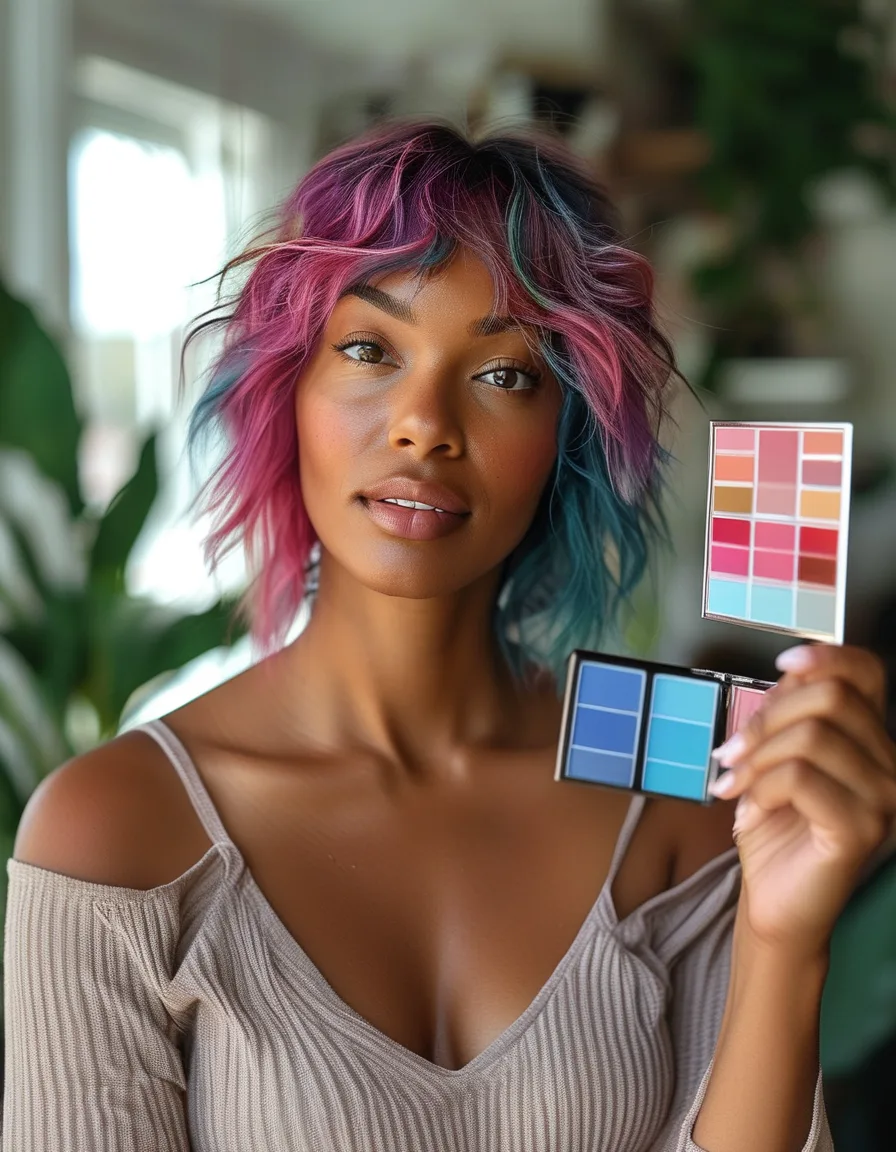
The Coloring-Shift Reality
What changes: the skin evolution (the undertone softening with the decade — the colors that need more clarity or more softness than before; the harsh-brights and muddy-neutrals both possible casualties), the hair transitions (the first silvers changing the contrast math — the gray-hair recalibration from the gray logic beginning; the color-treated hair being its own variable), the contrast drift (the overall softening for many — the high-contrast palettes needing adjustment; the some-women-sharpening counter-truth per the individual logic), the old-palette symptoms (the once-favorite top now draining — the ‘I look tired in this’ being color data, not just sleep; the near-face colors telling first per the palette logic), and the opportunity frame (the refresh being a style renaissance trigger — the new palette forcing the closet update from the edit logic; the change worked WITH per the evolution logic).
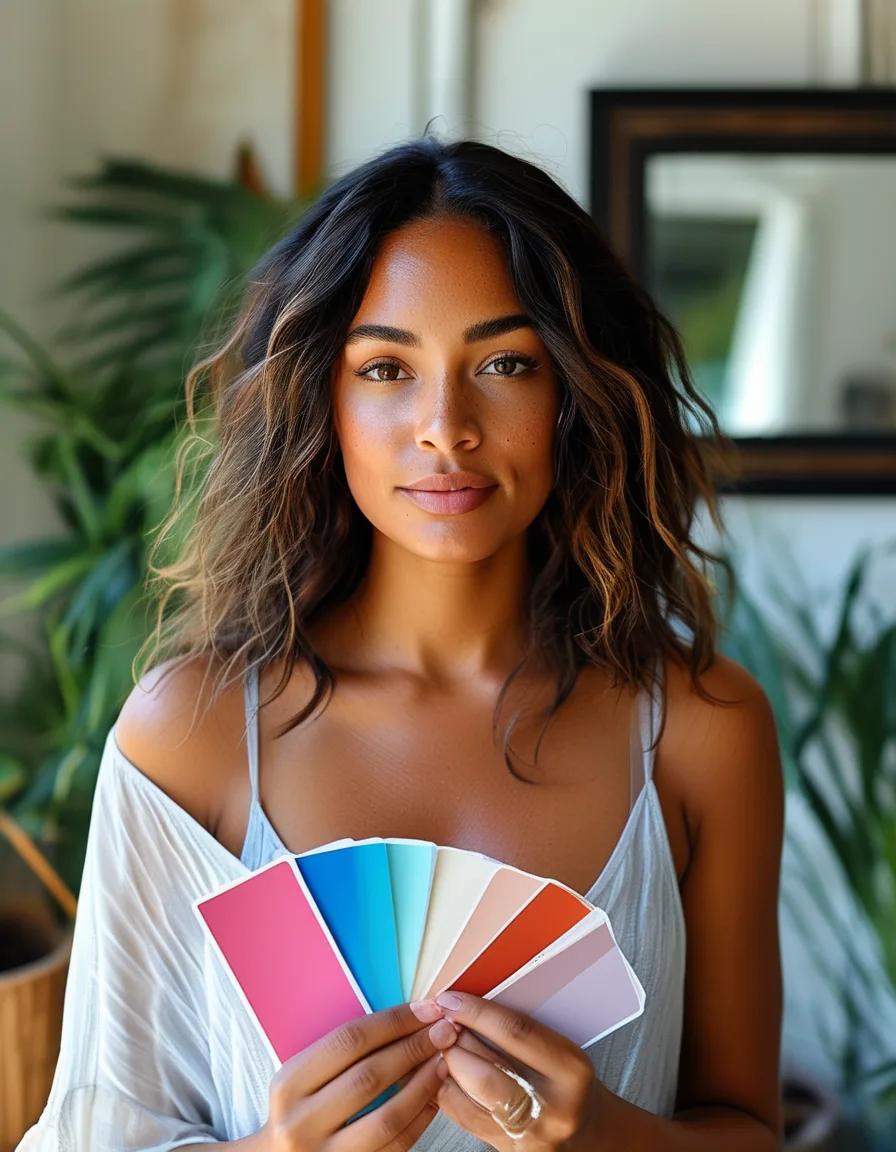
The Refresh Method
Re-running the analysis: the daylight re-audit (the drape test from the analysis logic repeated with TODAY’S coloring — the bare face, the current hair; the decade-old verdicts expired), the wardrobe evidence (the compliment-colors inventoried — the ‘you look well’ pieces versus the ‘are you tired’ ones; the worn-data from the inventory logic), the adjustment patterns (the common forties shifts — the softened versions of your colors: the tomato toward coral, the black toward charcoal-and-navy per the navy logic; the clarity-versus-mutedness re-tested), the near-face priority (the refresh enforced at tops-scarves-and-lips first per the placement logic — the scarf being the cheapest test instrument per the scarf logic), the hair-decision interaction (the going-gray, staying-colored or transitioning paths each shifting the palette — the analysis re-run at each hair chapter per the gray logic), and the professional option (the updated analysis for the invested — the DIY sufficiency restated per the budget logic).
The Confidence Rebuild
Wearing the new palette: the gradual conversion (the refresh rolled through replacements — the worn-out pieces rebought in the NEW versions; the budget-gentle transition per the strategic logic), the bold-color permission (the forties being the bold decade, not the beige one — the invisible-myth declined per the ageless logic; the statement color from the bold logic worn bigger), the lip-and-accessory bridge (the new palette tested in lipstick and scarves before coats — the low-stakes experiments), the compliment tracking (the new colors’ reception logged — the evidence that builds trust per the tracking logic), the joy override (the technically-wrong color that makes you happy staying per the joy logic — the palette serving, never policing), and the closing frame (the coloring changed, the palette updated, the drain reversed — the mirror meeting colors that work WITH the decade; the refresh being renewal, not retreat; the color, turned up not down). Re-drape in daylight, soften or sharpen deliberately, refresh near the face first: the palette, brought current.
The forties shift your coloring — re-run the daylight drape test with TODAY’S face and hair, inventory which pieces earn ‘you look well’ versus ‘are you tired’, and adjust: often tomato-toward-coral, black-toward-charcoal-navy. Refresh near the face first via lips and scarves, roll the change through natural replacements — and this is the bold decade, not the beige one.
Keep Reading
This article is for general styling and informational purposes only. Trends, sizing, availability and pricing may vary by brand and season.